

AI Business Automation Pitfalls: What Ecommerce Teams Often Overlook
Ecommerce teams eager to adopt AI business automation often focus on the benefits but overlook critical pitfalls that can slow down progress or cause costly mistakes. This guide reveals common challenges in ecommerce AI automation, explains why they happen, and offers practical advice to avoid them. You’ll learn how to optimize AI workflows, use AI agents effectively, and build a resilient digital workforce that scales your business without losing control.
Key Takeaways
- Many ecommerce teams underestimate complexity in AI workflows, causing delays and errors.
- Lack of clear approval and review processes leads to costly automation failures.
- Choosing the wrong AI agents tools or overloading workflows can decrease efficiency.
- A digital workforce requires ongoing monitoring and fine-tuning to sustain performance.
- Using no-code business process automation tools like DIMA Automation simplifies setup and control.
- Skipping workflow design: Without mapping the full business process, automation attempts can create bottlenecks.
- Ignoring integration needs: Ecommerce relies on multiple platforms like Gmail, Slack, and Drive; poor integration leads to fragmented digital workforce efforts.
- Overestimating agent capabilities: Not all AI agents tools fit every task; mismatches waste time.
- Describe your workflow in plain language.
- Access a marketplace of premade AI agents and workflows.
- Customize triggers, schedules, and conditional logic.
- Monitor progress live on a Kanban-style board.
- Live Workflow Boards: Watch tasks move step-by-step and identify blockers immediately.
- Approval Loops: Stay on top of messages, emails, or reports before they finalize.
- Adjustments on the Fly: Modify workflows quickly when business needs shift.
- Implementing approvals for key outputs.
- Using AI to assist, not replace, decision-making.
- Training team members to build and adjust workflows themselves.
- Connecting tools once per workspace, scoped to specific teams.
- Logging every action for compliance and review.
- Choosing automation platforms with dozens of integrations, like Gmail, Slack, Google Drive, and social channels.
- Starting with clear goals and outcome-focused workflows.
- Using no-code AI agents tools tailored for your business processes.
- Maintaining live monitoring and human approval loops.
- Integrating smoothly with your existing tools and stack.
Why Ecommerce AI Automation Often Stumbles Early
Ecommerce AI automation promises faster operations, but many teams rush into it without fully understanding the workflow AI demands. Common missteps include:
The key is to start with a clear description of the outcome you want your AI employees to achieve, then build or pick workflows that match those goals. With DIMA Automation, you can prompt the outcome and let the platform select and coordinate the right AI agents.
Building Effective AI Workflows Without Coding
Many ecommerce teams hesitate to automate because they fear complicated coding or technical hurdles. The truth is, modern business process automation tools offer no-code builders that anyone on the team can use.
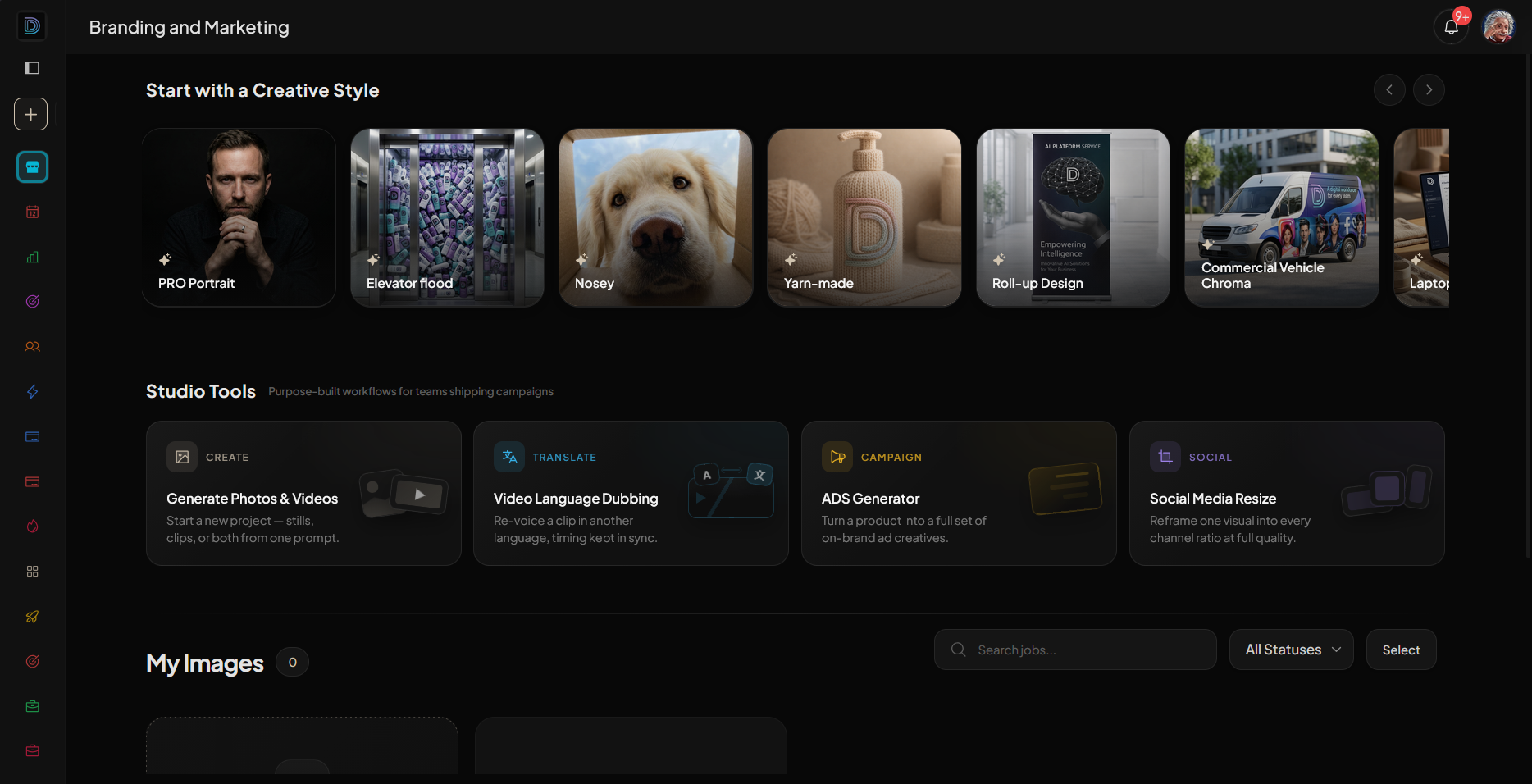
DIMA’s automation builder lets you:
This approach reduces setup time from weeks to minutes and keeps you in control with human approvals before final output.
Choosing the Right AI Agents Tools for Your Ecommerce Business
Selecting the right AI agents is crucial. Overloading your digital employees with tasks outside their expertise often leads to errors, while underusing them wastes potential.
Here’s what ecommerce teams should consider:
| Factor | What to Do | What to Avoid |
|---|---|---|
| Task Specificity | Pick agents specialized in Gmail, Drive, Slack workflows | Using general-purpose agents for niche tasks |
| Workflow Complexity | Use layered workflows with conditional triggers | Trying to automate everything in one go |
| Monitoring and Control | Utilize live boards to track agent progress | Relying on invisible, unchecked automations |
| Integration Compatibility | Connect only tools your team uses daily | Adding unnecessary tools causing sprawl |
DIMA’s AI agents lineup covers common operational tasks with ready-to-go specialists, helping ecommerce teams scale without complexity.
Monitoring and Reviewing Your Digital Workforce
Automation is not "set and forget." Digital employees need ongoing supervision to ensure quality and catch workflow breaks early. Key practices include:
With DIMA, you get a transparent automation environment where you run the loop, not the other way around.
Avoiding Over-Automation and Maintaining Human Oversight
A common pitfall is pushing automation too far, which can erode team trust and lead to errors. Ecommerce teams should balance automation with human oversight by:
This balance keeps your digital workforce efficient and aligned with business goals.
Integrating AI Business Automation Seamlessly Into Your Ecommerce Stack
Your ecommerce technology stack is complex—automation should simplify, not complicate it. Effective integration means:
DIMA provides seamless integrations and a marketplace full of workflows and agents designed to work together.
FAQ
What are AI agents in ecommerce business automation?
AI agents are specialized digital employees that perform specific tasks automatically, such as managing emails, updating spreadsheets, or posting on social media. They work within AI workflows to reduce repetitive manual work.
How do AI workflows improve ecommerce operations?
AI workflows orchestrate multiple AI agents to complete complex processes from start to finish, improving speed, consistency, and accuracy while freeing human teams for higher-value work.
Can ecommerce teams set up AI business automation without coding?
Yes, platforms like DIMA Automation offer no-code builders that empower anyone on the team to create, customize, and run automation workflows easily.
How important is human approval in AI business automation?
Human approval is critical to maintain quality control, prevent mistakes, and keep oversight over automated communications and decisions.
What are common signs that ecommerce AI automation needs adjustment?
Signs include frequent workflow breaks, lost or delayed tasks, unexpected errors, and team members losing confidence in automation outputs.
Conclusion
Avoiding ecommerce AI business automation pitfalls boils down to:
Ready to transform repetitive tasks into a scalable digital workforce? Start your automation journey with DIMA Automation today. Book a demo or try a free 7-day trial to see how AI workflows and digital employees can power your ecommerce success.
 DIMA
DIMA