


The answer for most growing businesses is no. 88 percent of organizations now report regular AI use in at least one business function, yet many are discovering that single-model, single-subscription setups create bottlenecks that limit real business transformation.
This article explores ChatGPT's genuine strengths and real-world limitations for teams. We'll examine why businesses already using ChatGPT are now seeking unified AI platforms that offer multi-model access, enterprise-grade controls, and smarter workflows.
Key Takeaways
-
ChatGPT adoption is widespread but scaling challenges persist: Over 200 companies in technical and education industries use ChatGPT, yet most organizations remain in experimenting or piloting stages rather than achieving full enterprise scale.
-
Data privacy concerns create significant enterprise risk: 319 cases of sensitive data leaking on ChatGPT were spotted per 100,000 employees in April 2023, a 60 percent increase from February-March 2023.
-
Multi-model platforms deliver measurable advantages: 66% of organizations report productivity and efficiency gains from enterprise AI adoption, with the most successful implementations using diverse AI models rather than relying on a single solution.
ChatGPT's Real Strengths for Business
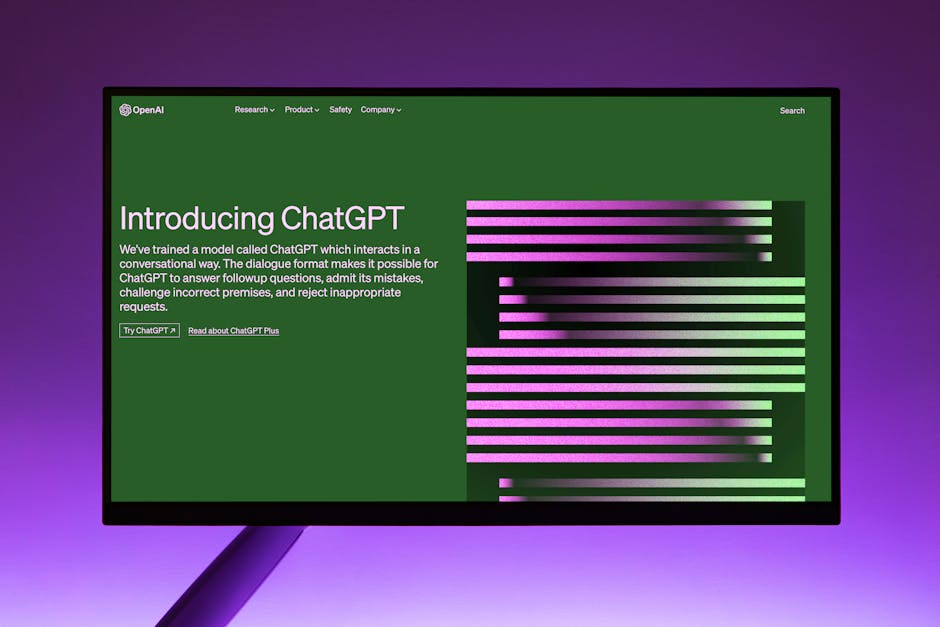
ChatGPT deserves its reputation. The platform has fundamentally changed how teams approach knowledge work. ChatGPT's ability to automate procedures, improve decision-making, and improve customer interactions has led to its widespread adoption in sectors like marketing, customer service, healthcare, finance, and education.
Where ChatGPT Excels
ChatGPT simplifies customer service processes by providing round-the-clock assistance and customized solutions, and has completely transformed marketing by producing content at scale and analyzing customer sentiment. For small teams and individual contributors, it's remarkably effective.
The platform shines in several areas:
-
Content generation: Drafting emails, reports, and marketing copy quickly
-
Customer interactions: Automating responses and providing 24/7 support
-
Knowledge retrieval: Answering questions and summarizing information
-
Code assistance: Helping developers debug and write code
The Limitations Teams Actually Face
As businesses move beyond individual use cases, ChatGPT's constraints become apparent. These aren't hypothetical concerns—they're daily friction points for operational and marketing teams.
Single-Model Lock-In
ChatGPT provides access to OpenAI's models exclusively. You can't switch to Claude for nuanced writing, Gemini for data analysis, or specialized models for domain-specific tasks. This creates dependency on one vendor's capabilities and pricing.
Integration with earlier GPTs is not plug-and-play, as differences in output formatting, memory behavior and function-calling mean developers must audit prompt templates and rework integrations.
Limited Permission Controls
Standard ChatGPT subscriptions lack granular team management. You can't easily control who accesses what, set usage limits per department, or audit how employees use the tool. For businesses with compliance requirements, this is problematic.
Data Privacy Risks
The most significant concern for enterprises is data security. Any information entered into ChatGPT, if chat history is not disabled, may become a part of its training dataset, and sensitive, proprietary or confidential information used in prompts may be incorporated into responses for users outside the enterprise.
Samsung banned ChatGPT use in their company due to an incident involving employees using ChatGPT to build or debug code, unintentionally feeding private business data into the AI model. This isn't an isolated case.
Workflow Integration Challenges
ChatGPT operates as a standalone interface. Integrating it into existing business workflows requires custom development, API management, and ongoing maintenance. Teams often end up copying and pasting between systems.
Why Multi-Model Platforms Matter
The most successful AI implementations don't rely on a single model. 34% of surveyed organizations are starting to use AI to deeply transform by creating new products and services or reinventing core processes or business models, while another 30% are redesigning key processes around AI.

Access to Best-in-Class Models
Different AI models excel at different tasks. GPT-4 might be ideal for creative writing, while Claude excels at detailed analysis. Gemini offers strong multimodal capabilities. A unified platform lets you choose the right tool for each job.
Enterprise-Grade Security
Unified AI platforms designed for business provide features ChatGPT subscriptions lack:
-
Role-based access controls
-
Data retention policies
-
Audit trails and usage monitoring
-
On-premise deployment options
-
Compliance certifications
Centralized Management
Instead of managing multiple individual subscriptions, teams get a single dashboard to control access, monitor usage, set guardrails, and analyze ROI across all AI tools.
Cost Optimization
Multi-model platforms often provide more predictable pricing than managing separate subscriptions. Teams can allocate budgets by department, track spending, and optimize model selection based on cost-performance tradeoffs.
Real Business Scenarios Where ChatGPT Falls Short
Consider these common situations:
Marketing teams need to generate social media content (ChatGPT), analyze competitor websites (different model), create images (DALL-E or Midjourney), and generate video scripts (specialized model). Switching between four separate tools kills productivity.
Operations departments require document analysis, process automation, data extraction, and reporting. Each task might benefit from a different model, but coordinating across platforms creates overhead.
Customer support needs multilingual capabilities, sentiment analysis, ticket routing, and knowledge base integration. A unified platform orchestrates these functions seamlessly.
The Path Forward: Unified AI Platforms
What to Look For
When evaluating AI platforms beyond ChatGPT, prioritize:
-
Multi-model access: Support for GPT, Claude, Gemini, and specialized models
-
Security and compliance: Enterprise-grade data protection and governance
-
Team management: Granular permissions and usage controls
-
Integration capabilities: APIs and connectors for existing tools
-
Transparent pricing: Predictable costs without surprise overages
Implementation Considerations
The AI skills gap is seen as the biggest barrier to integration, and education was the No. 1 way companies adjusted their talent strategies due to AI. Successful implementations require:
-
Clear governance policies
-
Employee training programs
-
Phased rollouts by department
-
Regular performance reviews
-
Continuous optimization
Why DIMA-AI Offers a Smarter Alternative
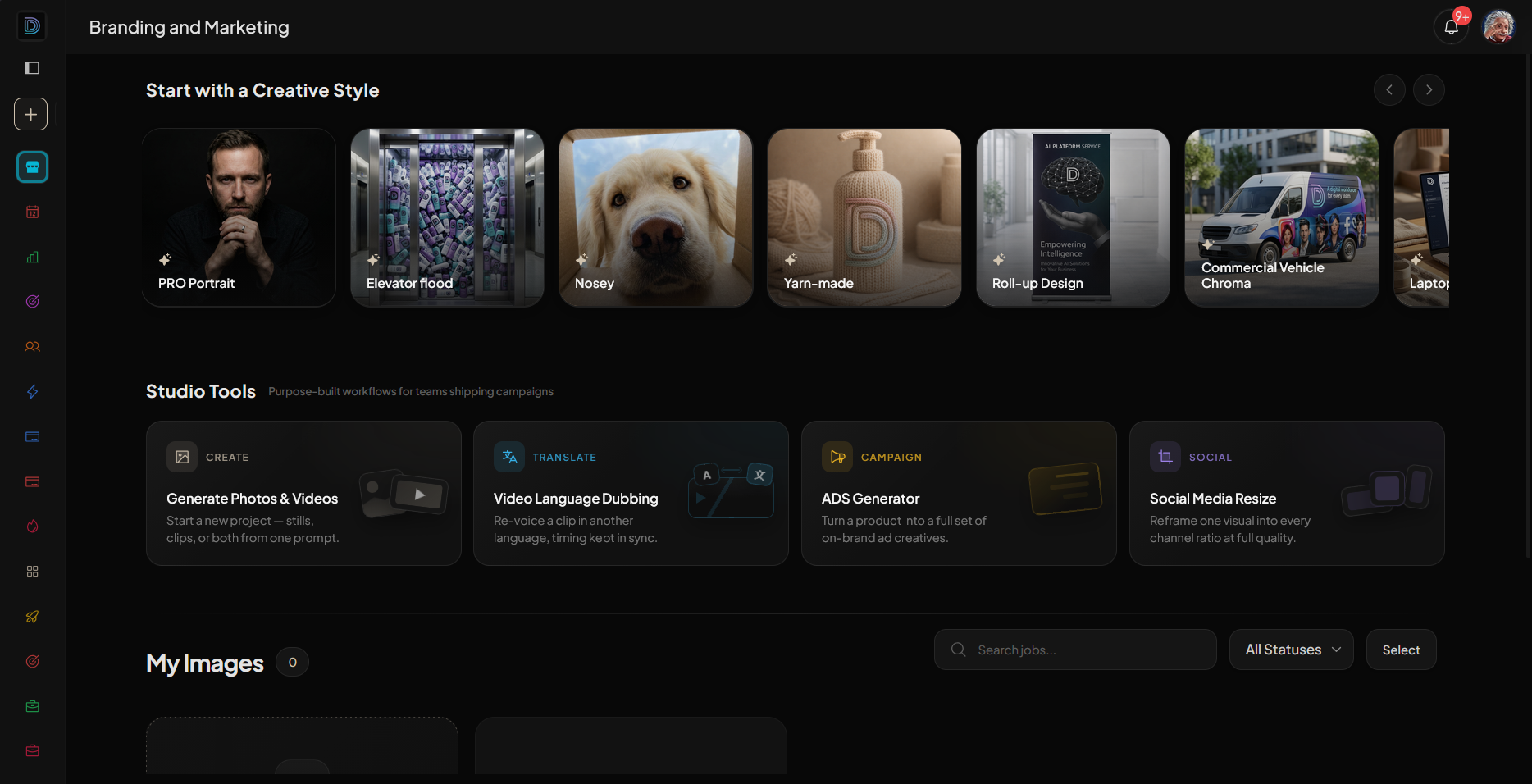
DIMA-AI was built specifically to address the limitations businesses face with single-model solutions. Unlike ChatGPT subscriptions, DIMA-AI provides a unified platform that gives teams access to multiple leading AI models through one interface.
Key benefits for growing teams:
-
Multi-model flexibility: Switch between GPT-4, Claude, Gemini, and specialized models based on your specific task requirements
-
Enterprise security: Role-based access controls, data governance, and compliance features that protect sensitive business information
-
Centralized management: One dashboard to manage permissions, monitor usage, and control costs across your entire organization
DIMA-AI doesn't replace ChatGPT's capabilities—it enhances them by providing the infrastructure, security, and flexibility that businesses need to scale AI adoption responsibly.
Learn more about DIMA-AI's unified platform approach
Frequently Asked Questions
Is ChatGPT suitable for enterprise use?
ChatGPT can work for individual users and small teams, but enterprises face significant limitations. Any information entered into ChatGPT, if chat history is not disabled, may become a part of its training dataset. Businesses handling sensitive data need platforms with stronger governance and security controls.
What are the main security concerns with ChatGPT for businesses?
The primary risks include data leakage, lack of access controls, and potential exposure of proprietary information. Key areas of concern include Privacy Leakage Due to Public Data Exploitation, Privacy Leakage Due to Personal Input Exploitation, and Privacy Leakage Due to Unauthorized Access.
Can ChatGPT integrate with existing business systems?
ChatGPT offers API access, but integration requires custom development. Integration with earlier GPTs is not plug-and-play, as differences in output formatting, memory behavior and function-calling mean developers must audit prompt templates and rework integrations. Unified platforms provide pre-built connectors.
How do multi-model AI platforms improve productivity?
By providing access to specialized models optimized for different tasks, teams can choose the best tool for each job. 66% of organizations report productivity and efficiency gains from enterprise AI adoption, with the highest gains coming from strategic, multi-model implementations.
What should businesses consider when scaling AI beyond ChatGPT?
Focus on governance, security, team training, and workflow integration. Technology delivers only about 20% of an initiative's value, while the other 80% comes from redesigning work so agents can handle routine tasks and people can focus on what truly drives impact.
Conclusion
ChatGPT has proven that AI can transform business operations. Its accessibility and capabilities have made it the entry point for millions of professionals discovering AI's potential. That's worth celebrating.
But as your organization matures in its AI journey, the limitations of single-model, single-subscription approaches become clear. Data privacy concerns, lack of enterprise controls, and inability to access best-in-class models for specific tasks create real friction.
The future of business AI isn't about choosing one model. It's about having the flexibility to use the right model for each task, the security to protect your data, and the infrastructure to scale responsibly. That's why forward-thinking companies are moving toward unified AI platforms that combine the best of multiple models with enterprise-grade management.
Whether you continue with ChatGPT, explore alternatives like DIMA-AI, or build custom solutions, the key is recognizing that AI strategy must evolve beyond individual tools toward comprehensive platforms that serve your entire organization's needs.
 DIMA
DIMA